The Cloud That Casts a Shadow
Earlier this year, Andhra Pradesh laid the foundation for Google’s $15 billion AI hub near Vizag - a hyperscale data centre project with AdaniConneX and Airtel Nxtra as partners. For a country that ha

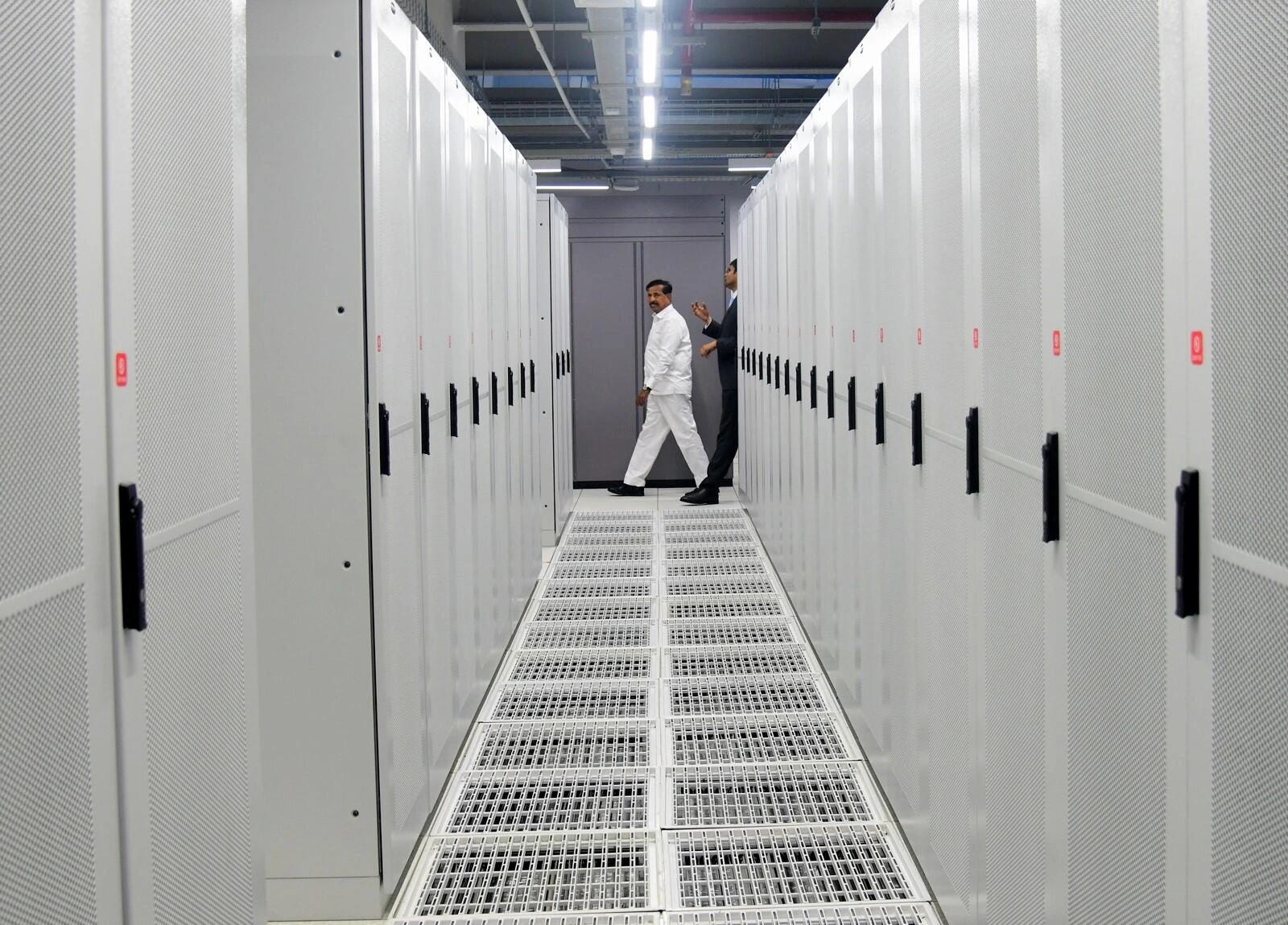
Earlier this year, Andhra Pradesh laid the foundation for Google’s $15 billion AI hub near Vizag - a hyperscale data centre project with AdaniConneX and Airtel Nxtra as partners. For a country that has spent years saying that it must not miss the AI bus, this was a moment to celebrate. Google is not alone. Adani has announced plans to invest $100 billion in renewable-powered, AI-ready data centres by 2035. Tata’s data centre business has signed up OpenAI as a customer, starting with 100 MW of capacity. Reliance, Amazon, Microsoft and others are all circling the same opportunity. India’s data centre capacity, already growing fast, is expected to cross 3 GW by 2028. Suddenly, AI is not something that is used in India but built in in San Francisco or Seattle. This AI cloud will be built in India, by Indian engineers using Indian land, electricity, and water.
This is unequivocally good news. India needs sovereign AI infrastructure. Indian companies need local compute and our startups need affordable access to models, the government and armed forces need sovereign AI, and our GCCs are becoming serious AI deployment engines for the world. If AI is the new electricity, India cannot remain dependent on someone else’s turbines and grid.
However, most often we think of ‘the cloud’ as a fluffy white thing floating harmlessly above us. But this cloud casts a shadow on land and has a real, physical body with millions of GPUs and thousands of servers tightly packed in racks running 24x7. This body needs land, water, power, cooling systems, diesel backups, permissions, tax breaks, and, often, silence from the people who live nearby.