

Welcome to ‘Dharma of AI’, By Jaspreet Bindra—The Tech Whisperer.
A shell-shocked Sam Altman and OpenAI tried capturing the initiative last week. And failed.
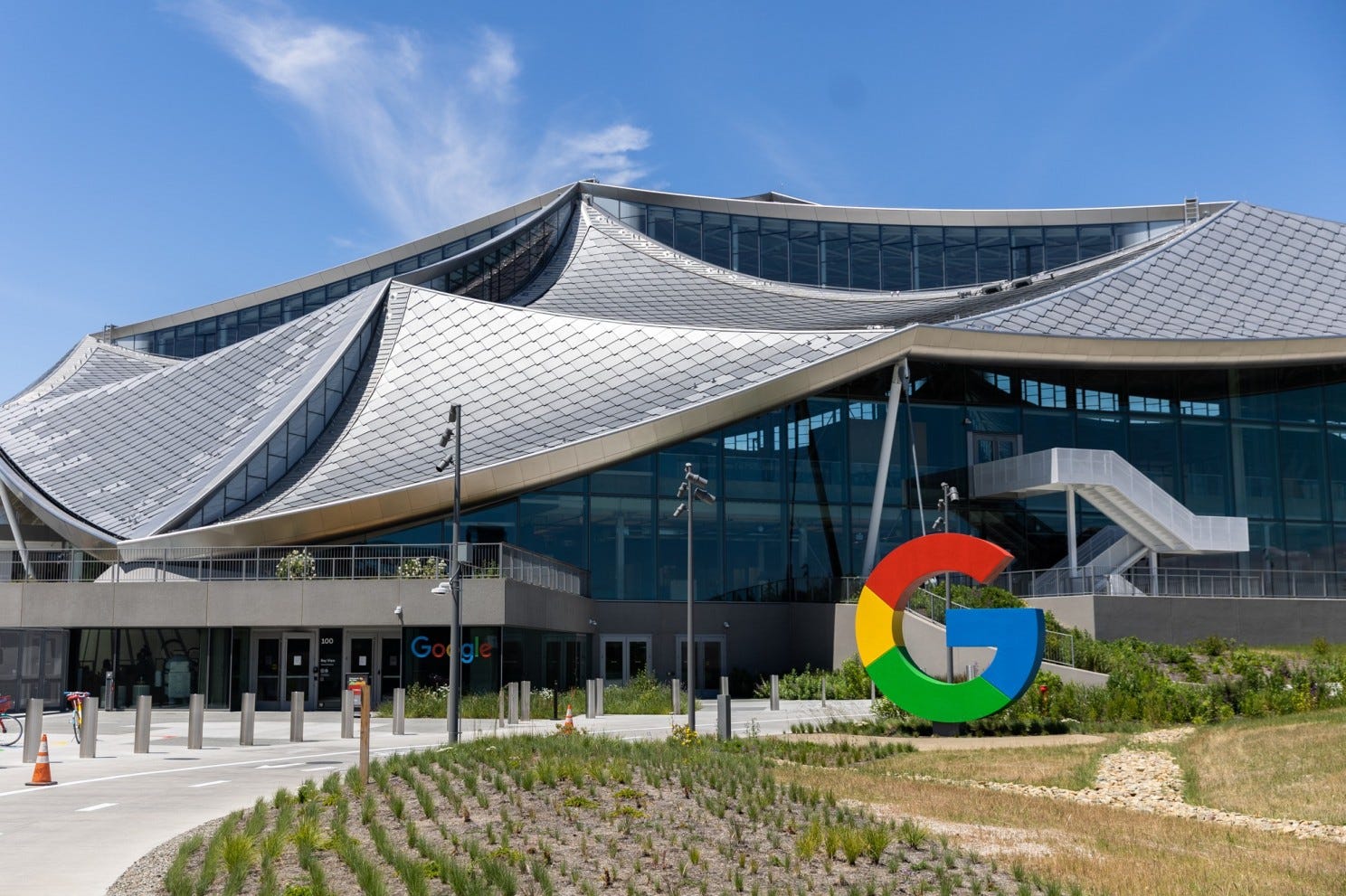
As I had written last time, the AI winds seem to be shifting Google ‘s way – with Gemini 3, nanobanana pro, and its TPUs (Tensor Processing Units) finally giving some solid competition to NVIDIA‘s monopolistic GPUs. This is now reflected in their mutual stock prices as Alphabet Inc.’s stock surge is reshaping the list of the world’s most valuable companies (Read more). The Mountain View firm jumped 2%, pushing its valuation to $3.9 trillion. Since mid-October, the shares have climbed 37%, adding roughly $1 trillion. The market cap gap between these two AI titans has collapsed: Alphabet now sits about $300 billion shy of Nvidia’s $4.2 trillion market cap. Alphabet also seems to be eating ChatGPT’s market share as Google Gemini has more than doubled its web traffic share over the past year, climbing from 5.6% to 13.7%, while ChatGPT’s dominance eroded from 86.6% to 72.3% (Read more). And that has Altman worried. It reflected in an internal memo he sent his team (Read more) acknowledging the “rough vibes” and noted they “need to stay focused through short-term competitive pressure”. However, Altman is ready to face Google’s challenge -- OpenAI is apparently working on a new language model codenamed “Shallotpeat” to fix pre-training bugs and catch up.
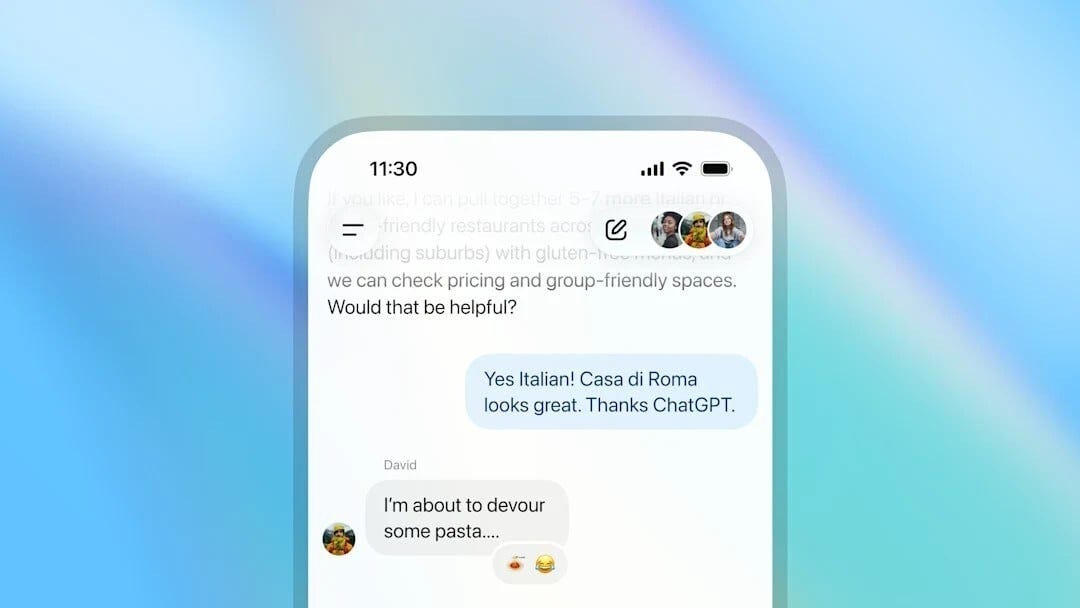
This is perhaps why OpenAI made a couple of announcements last week, more features than big developments though. One was its launch of group chats in ChatGPT, letting up to 20 people join the same conversation with the AI. The feature is now available to all logged-in users worldwide after a short test earlier this month. OpenAI sees this as a way to plan things together—dinners, trips, shared projects—with ChatGPT helping in the background. ChatGPT is trained to follow the flow of the conversation. It will only step in when it thinks it’s helpful, but you can tag “ChatGPT” if you want a direct reply. This is quite cool, and should be giving WhatsApp Groups some reason to pause? (see more here). The other one was a bigger announcement in my view: It has rolled out an upgraded version of its ChatGPT shopping assistant, adding research capabilities designed to offer users more detailed and personalized product suggestions. The update arrived in time for the Black Friday sale, one of the year’s biggest retail events, and aimed at expanding the tool’s ability to search for well-matched products and refine recommendations through conversation. Bigger, because it adds fuel to the inexorable move from e-commerce to a-commerce (or agentic commerce), something which I wrote on recently here (Here is my ET article).
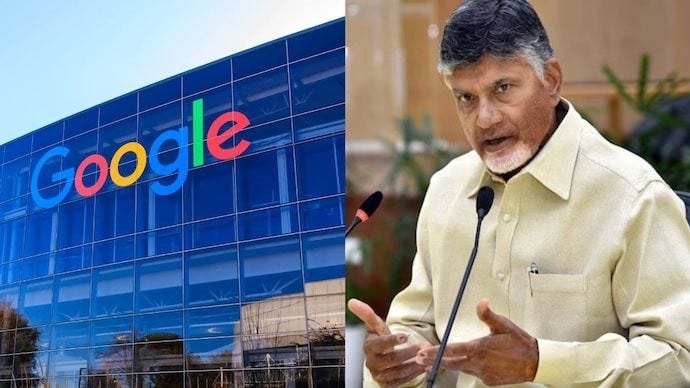
Closer home, all eyes on Vizag. Last month, Google raised eyebrows (and land prices) as it committed about $15 billion over 2026–2030 to build its first India AI hub and a gigawatt-scale data-centre campus there, in partnership with Bharti airtel and AdaniConneX (Adani + EdgeConneX). This would entail an investment of $5 billion by Adani Group, through AdaniConneX. Not to be left behind, Reliance’s Digital Connexion – a JV of Reliance Industries Limited, @Brookfield and Digital Realty – has announced around $11 billion (about ₹98,000 crore) capex by 2030 to build another 1 GW “AI-ready” data-centre cluster in Visakhapatnam on roughly 400 acres! (see more here). Vizag seems to be emerging as the AI hub, or at least the data centre hub, of India, pushed by its Chief Minister Chandrababu Naidu Nara, who wants to do a ‘Hyderabad’ to Vizag. And Naidu knows a thing or two about building tech hubs. In the late 1990s, as Chief Minister of Andhra Pradesh, Naidu transformed Hyderabad from a second-tier Indian city into a global tech powerhouse. His tactics were audacious: he did a 45-minute chat to convince Bill Gates to open Microsoft‘s first development center outside the U.S., built HITEC City in just 14 months, and marketed Hyderabad with the slogan “Bye-bye Bangalore.” President Bill Clinton visited HITEC City in March 2000, calling Naidu’s government “smaller, far less bureaucratic, and far more market-oriented.” Now, Chandrababu is attempting the same magic with Vizag. Where HITEC City cost $350 million, Google’s Vizag AI hub represents $15 billion. Naidu promises what took 25 years in Hyderabad can happen in a decade with “quantum-speed execution.” His son Lokesh Nara, now IT Minister, declared: “Vizag emerges as the Data Capital of India!”
Will Chandrababu pull it off again? Time will tell, but the MoUs are signed and the shovels are ready!
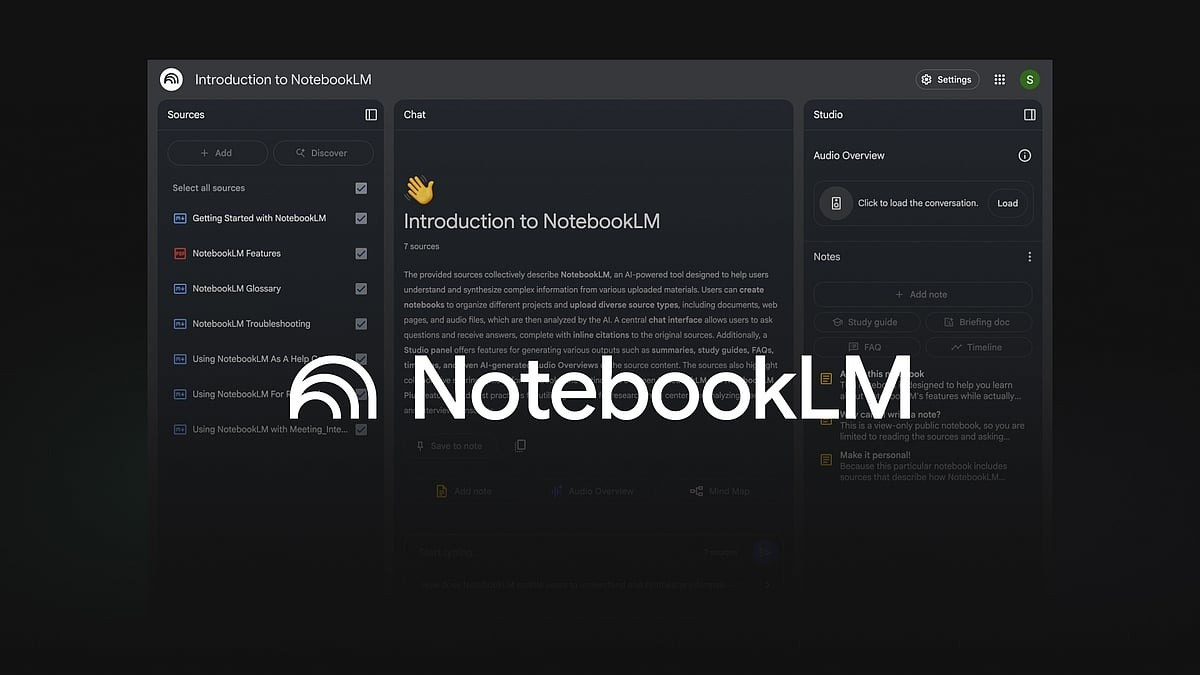
In this week’s AI Tool of the Week on Mint, we’re looking at a feature that helps job seekers turn text-heavy CVs into visual resumes and slide decks — without needing any design tools.
If your résumé looks like everyone else’s, this update may be the edge you need.